Your name: Raluca Barbu
Your community: Crystal Lake
Your background/training: I was born and raised in Pitesti, Romania, came of age in Cluj-Napoca, where I got my college degree in Library Science, got married, became a mother, and worked for more than a decade for one of the largest companies in Romania. I now live in the United States, where I am almost building a second life, and also, finally using my Library Science diploma as an Adult Programming Specialist for the Algonquin Area Public Library.
I have been writing since my teenage years, when my dream was to publish one book. Twenty-five years and five books later, I am still writing.
Your preferred medium: Writing and photography
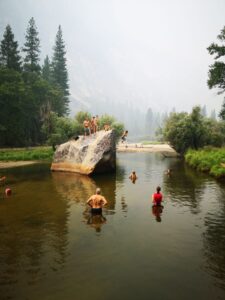
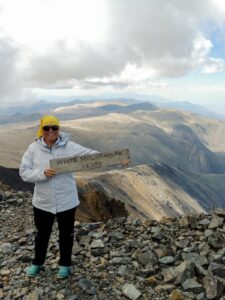
Your preferred subjects and why: Writing is my way of making sense of life and expressing gratitude for it. Each of my books grew out of a meaningful life lesson and explores the universal experience of growth and change. The photos in this exhibit were taken during the 45-day trip my husband and I took in 2018 through 19 states and 34 national, state, and tribal parks. They are also part of the travel book I wrote about that trip, American Vacation. More than 250 photos are accessible in the eBook version of it.
I photograph landscapes as a way of preserving both their beauty and my gratitude for having witnessed them.
What inspires your work? Life! I am fascinated by life: the surprises it brings, the people I meet, the places I am lucky enough to visit, and the randomness of it all.
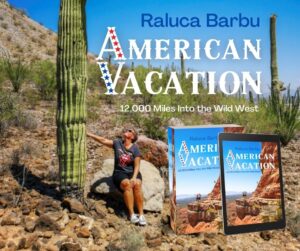 Is your work for sale? If so, how can someone contact you? Yes, my book is. You can check out American Vacation at the library (it is currently in 15 libraries statewide). You can also purchase the eBook (with all the photos) HERE. For more details, visit my website: ralucabarbu.ro/



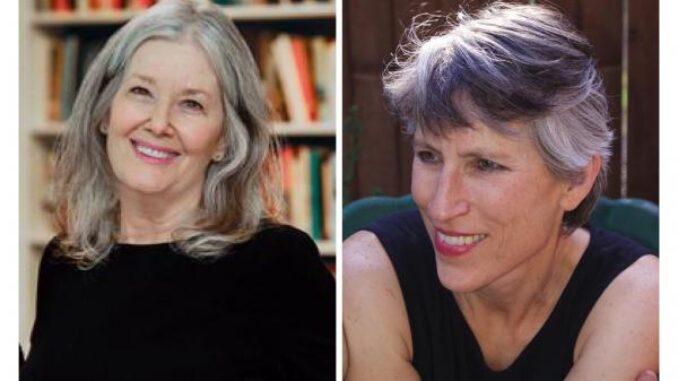
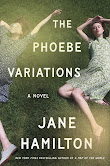 Jane Hamilton is the author of eight novels, including The Book of Ruth, and A Map of The World, which were both Oprah's Book Club selections. A Map of the World was also adapted for a film starring Sigourney Weaver. Hamilton's latest novel, The Phoebe Variations, is a coming of age story set in the 1970s, and was published in September, 2025. It was selected as an Oprah Daily Best Book of Fall, an Indie Next Pick, and a Library Reads. She is a recipient of the Hemingway Foundation/PEN Award, among other recognitions.
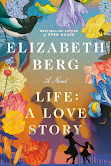 Elizabeth Berg has published thirty-one books, including novels, novellas, non-fiction, short story and essay collections. Her best-known works include Open House (an Oprah's Book Club selection), Talk Before Sleep, and The Story of Arthur Truluv. Her latest novel, Life, A Love Story tells the story of a 92-year-old woman who creates a legacy through the objects she plans to leave to her dearest friend, while rediscovering the joys of life. It was published in March, 2026.
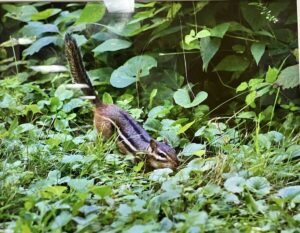 AAPLD is pleased to welcome the Land Conservancy of McHenry County back to our Art Wall, displaying the entries in the organization's 2026 photo contest.
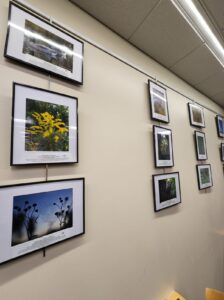 Stop in and enjoy a look at the plants, animals and inspiring natural beauty of McHenry County!