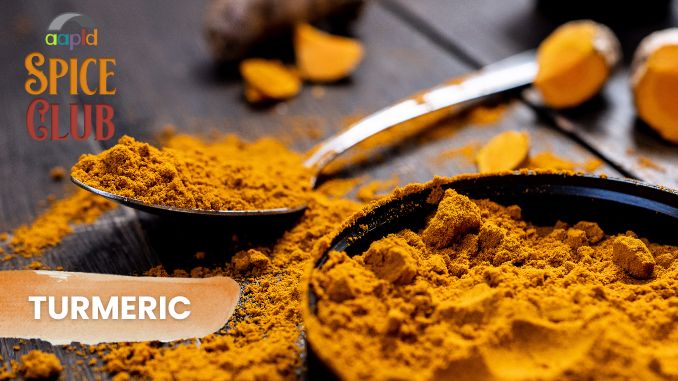
Turmeric (Curcuma longa) is a vibrant yellow-orange spice derived from the root of a plant in the ginger family. Known for its warm, earthy, and slightly bitter flavor, it’s used both fresh and dried, often ground into a powder. Across a history spanning over 4,000 years, turmeric has played a key role in Ayurvedic medicine and Indian cuisine. Its rich color makes it a popular natural dye for textiles, foods, and cosmetics, though it’s notorious for staining hands, clothes, and surfaces. Often referred to as "Indian Saffron," turmeric is prized for its golden color and central place in South Asian cooking.
Culinary Uses: Turmeric is a staple in Indian cuisine, featured in curries, dals, biryanis, and spice blends like garam masala. It's also used in Middle Eastern and Southeast Asian dishes such as Thai yellow curry and Malaysian rendang. Beyond cooking, it's the key ingredient in golden milk and adds color and flavor to rice, soups, pickles, and mustards. Pairing it with black pepper boosts absorption of curcumin, its main active compound.
Health Benefits: Turmeric is known for its anti-inflammatory and antioxidant properties, which may aid digestion, boost immunity, support brain and heart health, and help with conditions like arthritis. While dietary turmeric is helpful, most research is based on concentrated extracts, which deliver stronger effects.
Cultural Facts: During Hindu weddings, a turmeric paste (haldi) is applied to the bride and groom to purify, bless, and beautify them. It is also used in religious rituals (pujas), where it’s smeared on sacred objects or doorways to invite protection and prosperity.
ALLERGEN WARNING: AAPLD is not responsible for any reactions or sensitivities to any spice. Please be aware that spices may contain or come into contact with common allergens like dairy, eggs, soybeans, tree nuts, peanuts, fish, shellfish, or wheat. Stay safe! Cook with caution.
Download Recipes